
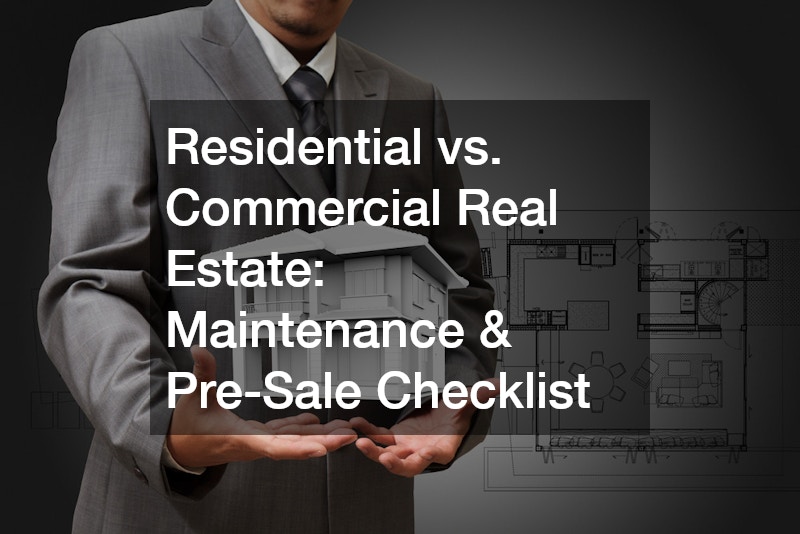
Preparing a real estate asset for sale or tenant changeover is one of the most critical phases in property management and ownership. Whether dealing with a single-family home or an industrial retail center, physical condition directly influences final valuation, negotiation leverage, and transaction speed.
However, the approach required for housing differs significantly from income-producing commercial structures. While residential preparation often targets buyer emotion, lifestyle appeal, and domestic safety, commercial prep centers on risk mitigation, regulatory standards, long-term durability, and operational continuity.
Understanding these core distinctions ensures that capital spent during the pre-sale phase yields the maximum possible return.
Structural Envelope and Exterior Defense
A building’s primary defense against environmental wear is its outer shell. Buyers across both sectors prioritize sound structural elements, but their specific inspection focus varies.
Overhead Protection and Drainage
The upper boundary of any facility absorbs the harshest elements. For standard homes, steep-slope systems using asphalt shingles, tile, or metal dominate the landscape. Pre-sale evaluations must confirm there are no missing shingles, flashing failures, or hidden attic leaks that could derail a buyer’s home inspection.
Commercial assets typically feature low-slope or flat roofing structures utilizing single-ply membranes, built-up layers, or modified bitumen. In these environments, ponding water, membrane punctures, and clogged drainage scuppers pose the largest threat to structure integrity.
Before putting any parcel on the market, hiring a certified roofing contractor to perform a thorough thermal scan or physical inspection ensures that small leaks do not become deal-breakers during escrow.
Wall Cladding and Exterior Surfaces

Outer wall materials set the initial visual standard while keeping water from infiltrating interior wall cavities. Residential buyers pay close attention to curb appeal, meaning washed surfaces, fresh paint, and tight seams make a lasting impression.
Homeowners frequently contract siding companies to repair cracked vinyl, replace rotted wood planks, or install modern fiber-cement panels prior to listing.
In commercial real estate, exterior wall maintenance often shifts toward concrete tilt-up panels, masonry, or glass curtain walls. Here, structural joint sealant, expansion joint integrity, and structural cracking take precedence over simple aesthetic upgrades.
Groundskeeping and Overhanging Hazards
Trees add value, shade, and character to a property, but unmaintained limbs can inflict severe structural damage during storms or drop debris that clogs gutter systems.
For residential homes, overhanging branches touching the roofline offer easy access to rodents and insects. For commercial properties, unkempt trees block tenant signage, obstruct security cameras, and create liability risks along footpaths.
Engaging a professional tree service company prior to listing ensures that deadwood is cleared, sightlines remain open, and structural risks are neutralized across the entire acreage.
Climate Control, Mechanical Systems, and Environmental Safety
HVAC systems represent one of the highest replacement costs in any real estate transaction. Buyers in both markets carefully inspect mechanical age, service history, and operational efficiency.
Residential Heating and Cooling Efficiency
Home buyers expect fully functional, quiet, and energy-efficient temperature control systems. A failing unit discovered during a home buyer’s inspection routinely leads to requests for thousands of dollars in closing credits. Scheduling routine AC services prior to putting a house on the market ensures coil cleanliness, proper refrigerant levels, functional condensate lines, and peak operating efficiency. Documented service records reassure buyers that the home was well maintained.
Because heating and cooling equipment represents one of the most expensive mechanical components in a residential home, potential buyers view an aging or neglected system as an immediate financial liability. During the inspection phase, home inspectors perform detailed evaluations of air delta temperatures, thermostat responsiveness, ductwork integrity, and overall mechanical sound. Even minor operational flaws—such as a clogged drain line, a noisy fan motor, or a slightly low refrigerant charge—can trigger red flags in the inspector’s final report. Buyers routinely leverage these findings during post-inspection negotiations, demanding substantial price reductions, costly home warranties, or outright replacement of the entire system before closing.
Addressing climate control performance proactively before the initial open house completely eliminates this vulnerability. A professional technician can thoroughly clean evaporator and condenser coils to optimize heat transfer, inspect electrical components for wear, flush condensate drain pans to prevent unexpected water damage, and calibrate the thermostat for precise operation. These preventive steps not only improve indoor air quality and maximize energy efficiency during buyer walkthroughs, but they also prevent unexpected system breakdowns when the property is actively being shown.
Furthermore, physical proof of routine maintenance serves as a powerful marketing tool. Presenting a neatly organized file of annual inspection receipts, filter change logs, and technician tune-up reports demonstrates responsible homeownership. When buyers see tangible evidence that mechanical systems have been regularly serviced, their confidence in the overall condition of the home increases, reducing their inclination to negotiate down the listing price over minor cosmetic flaws.
Commercial Mechanical Systems and Zonal Controls
Commercial buildings operate on far more complex heating, ventilation, and air conditioning infrastructures. These facilities often feature multi-zone setups, variable air volume units, chiller towers, or heavy rooftop units designed to handle high occupancy rates.
Managing these multi-faceted units requires specialized HVAC services capable of balancing airflow, testing automated control sensors, and verifying that ventilation meets current indoor air quality codes. Commercial buyers review maintenance logs extensively to estimate upcoming capital expenditure requirements.
Structural Pest Clearances
Subterranean pests and wood-destroying organisms threaten the foundational integrity of properties across both sectors, but residential transactions are particularly sensitive to these infestations. Mortgage lenders routinely require clean pest clearance reports before approving buyer funding.
Partnering with local termite inspection specialists allows sellers to identify active subterranean colonies, drywood infestation signs, or conducive moisture conditions early. Resolving these issues prior to official marketing prevents mid-transaction delays.
Legal Accessibility, Waste Logistics, and Water Features
Beyond basic structural and mechanical readiness, properties require specialized preparation based on their intended use, public exposure, and unique amenities.
Regulatory Footpath and Entry Compliance

One of the largest legal distinctions between housing and commercial space is public accessibility legislation. Private homes are generally exempt from federal access mandates, but commercial properties open to the public must adhere strictly to physical access standards.
Commercial sellers must audit their parking spaces, entry ramps, door opening widths, threshold heights, and restroom facilities. Partnering with a qualified ada compliance contractor allows property owners to fix non-compliant slope transitions, install proper grab bars, and adjust door pull weights before listing, effectively eliminating expensive post-sale liability.
Site Refuse and Ongoing Debris Management
During property turnover, large volumes of trash, discarded furniture, old construction materials, and yard waste accumulate.
While residential sellers usually rely on standard curb bins or short-term roll-off container rentals, commercial properties require organized logistical management. Ensured operations demand dependable garbage pickup services to handle high-volume waste, maintain clean loading docks, and keep dumpster enclosures presentable for prospective investors.
Managing Backyard Water Features
Amenities like in-ground or elevated swimming structures significantly affect residential marketability. While a neglected pool can destroy curb appeal and create major safety concerns, a pristine pool serves as a major selling point. Properly opening, cleaning, and balancing an above ground pool—or ensuring its pump systems, filters, and safety fencing are in top shape—demonstrates to potential buyers that the leisure space is turnkey and ready for summer use.
For many prospective homeowners, an outdoor aquatic feature represents the ultimate backyard retreat, ideal for family gatherings, weekend relaxation, and warm-weather entertaining. However, that emotional appeal evaporates instantly if a home inspector or prospective buyer encounters cloudy water, cracked liners, rusted support frames, or failing pump motors. Instead of visualizing summer leisure, buyers immediately begin calculating thousands of dollars in unexpected repair estimates or removal expenses, transforming what should be a major selling feature into a heavy leverage point for price concessions.
Taking a proactive approach to maintenance before listing the property completely shifts this buyer perception. Beyond basic chemical balancing and shock treatments, sellers must inspect the entire support infrastructure. This includes testing pressure gauges, replacing worn filter cartridges or sand media, checking skimmers for hidden cracks, and verifying that all electrical connections meet local building safety standards. Additionally, local housing ordinances and home buyer inspections often mandate strict safety measures around water features, such as self-closing gate latches, compliant perimeter fencing, and slip-resistant decking surfaces.
By presenting a fully functional, crystal-clear water feature alongside immaculate safety hardware and recent service records, sellers eliminate buyer hesitation surrounding ongoing maintenance burdens. A well-maintained outdoor recreation space shifts the narrative from potential liability to immediate lifestyle upgrade, helping the property stand out in competitive residential markets and supporting a higher overall listing price.
Unexpected Disasters and Emergency Remediation
Unforeseen water intrusion, mold outbreaks, or localized fires can stall a property sale immediately if not handled correctly.
When leaks occur behind residential drywall or commercial supply lines burst inside an office ceiling, basic janitorial cleaning is insufficient. Sellers must enlist professional restoration services to dry structural studs, eradicate hidden mold spores, and rebuild damaged drywall under strict environmental safety protocols.
Providing proof of professional remediation gives prospective buyers confidence that past water or smoke events were completely resolved rather than simply painted over.
Financial Documentation and Due Diligence Verification
Beyond the physical walkthroughs, preparing a property for sale demands rigorous assembly of administrative and operational records. Buyers in both sectors want proof that past maintenance was handled proactively rather than reactively, as documented service histories dramatically reduce perceived risk during escrow.
Residential Disclosure Bundles

Home buyers want peace of mind regarding ongoing maintenance obligations. Assembling a comprehensive home disclosure binder containing recent service invoices, utility bill averages, warranty transfers, and permit documentation for major renovations establishes trust immediately. Showing clear documentation for mechanical tune-ups, pest treatments, roof repairs, and minor structural updates prevents last-minute pricing concessions during contract negotiations.
Commercial Due Diligence Vaults
In commercial transactions, due diligence documentation carries even greater weight because valuation relies directly on financial performance and liability exposure. Sellers must curate a secure electronic document repository containing detailed lease agreements, historical capital expenditure logs, environmental assessment reports, municipal compliance certificates, and service contracts. Prospective commercial investors closely audit operational expenses to project net operating income, meaning well-managed service histories can directly protect or enhance your cap rate valuation.
When preparing a commercial asset for market, missing or disorganized documentation creates friction that can easily derail negotiations or prompt aggressive price re-contracts. Institutional buyers and private equity firms perform exhaustive risk assessments that scrutinize every operational detail. Complete financial transparency serves as proof of passive income stability, signaling to underwriting teams that the property has been professionally stewarded. Clear records demonstrating consistent preventive upkeep—such as recurring roof inspections, routine elevator servicing, regular grease trap cleanings, and active fire suppression testing—reassure buyers that they will not inherit hidden, near-term structural liabilities.
Furthermore, comprehensive documentation streamlines the financing timeline for potential buyers. Commercial lenders demand rigorous proof of building code compliance, Phase I environmental clearances, and predictable net cash flows before approving capital loans or issuing favorable interest rates. If an owner cannot readily provide verified tenant payment histories, current estoppel certificates, or historical utility audits, the buyer’s loan approval process can stall, extending escrow indefinitely or increasing execution risk.
Ultimately, well-curated due diligence files do more than just facilitate a smooth closing; they build buyer confidence. By transforming raw operational history into a transparent, audit-ready data room, sellers eliminate uncertainty, eliminate leverage for buyers seeking late-stage price concessions, and maximize final purchase pricing in competitive markets.
Strategic Capital Allocation
Success in real estate preparation comes down to prioritizing high-return improvements while eliminating transaction risks.
Residential sellers win by combining strong visual appeal with verified structural health. Upgrades like clean landscaping, fresh exterior finishes, fully functional cooling, and pristine outdoor amenities instantly appeal to a buyer’s lifestyle aspirations.
Commercial sellers win through transparency, regulatory compliance, and risk reduction. Investors analyze cap rates, tenant lease terms, and upcoming capital expenditure requirements. Demonstrating fully compliant access routes, documented commercial HVAC maintenance, clean environmental records, and sound structural envelopes mitigates risk and protects the asset’s overall valuation.
By systematically working through these maintenance targets prior to placing a property on the market, owners across both sectors can minimize days on market, prevent sudden buyer renegotiations, and secure maximum value at the closing table.