
Workforce engineering is an emerging discipline that focuses on optimizing the performance of an organization’s workforce through systematic analysis and strategic planning. As companies continue to face challenges such as talent shortages, evolving technologies, and fluctuating market demands, the need for a robust and adaptive workforce becomes essential. Workforce engineering integrates data-driven decision-making and process improvement techniques to ensure that organizations have the right people with the right skills at the right time.
In this blog post, we will explore various aspects of workforce engineering, its importance in modern business practices, and how it can lead to enhanced productivity and employee satisfaction.
The foundation of workforce engineering lies in understanding the dynamics of human resources within an organization. By employing methodologies similar to those used in traditional engineering, workforce engineers analyze work processes, employee skill sets, and productivity metrics. They utilize data analytics to assess current workforce capabilities against anticipated demands, ensuring that staffing levels are aligned with business goals. This analytical approach allows organizations to make informed decisions regarding recruitment, training, and resource allocation. By applying engineering principles to workforce management, companies can streamline operations and achieve optimized performance.
One of the critical elements of workforce engineering is forecasting labor needs. Organizations may face fluctuations in demand that require them to ramp up staffing levels during peak periods or downsize when demands decrease. It is essential for companies to be proactive in their workforce planning to avoid costly overstaffing or understaffing. Workforce engineers utilize predictive analytics to project future labor requirements based on past trends, current market conditions, and potential business growth. This predictive capability not only aids in effective staffing but also enhances employee satisfaction as it allows firms to provide better work-life balance and job security.
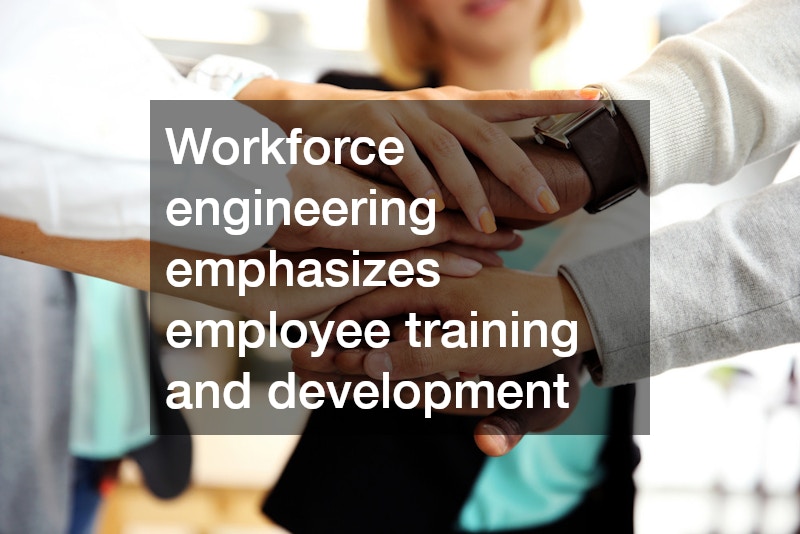
In addition to labor forecasting, workforce engineering emphasizes employee training and development. A highly skilled workforce is imperative to staying competitive in today’s fast-paced markets. Workforce engineers assess the skill gaps within their organization and design tailored training programs to address these needs. Continuous learning and skill enhancement have become vital for workforce adaptability, and organizations that invest in their employees’ professional growth often reap the benefits of heightened job performance and employee retention. This approach not only builds a more capable workforce but also fosters a culture of engagement and innovation.
Technology plays a pivotal role in workforce engineering. The rise of advanced tools such as artificial intelligence (AI), machine learning, and human resource management systems (HRMS) has revolutionized how organizations approach workforce planning and optimization. These digital solutions facilitate real-time data gathering and analysis, enabling workforce engineers to respond quickly to changes in market conditions or employee needs. Additionally, technology aids in automating repetitive tasks, freeing up valuable time for managers to focus on strategic initiatives. By leveraging technology, workforce engineering aligns human capital with operational goals while enhancing efficiency and productivity.
As organizations navigate the complexities of a global workforce, the importance of workforce engineering grows increasingly evident. It is no longer sufficient for companies to manage their employees in a reactive fashion; they must instead adopt a strategic, proactive stance to workforce management. Through the integration of advanced analytics, effective training programs, and technology-driven insights, workforce engineering helps organizations become more adaptable and resilient. By viewing their workforce as a critical component of their overall strategy, businesses can position themselves for sustained success and competitive advancement in an ever-changing environment.
In conclusion, workforce engineering represents a vital aspect of modern organizational management. By employing systematic analysis, predictive analytics, and strategic planning, companies can optimize their workforce for current and future demands. As organizations face growing complexities in labor markets and technological advancements, the need for workforce engineering becomes even more critical. Companies that embrace this discipline are not only enhancing productivity and efficiency but are also fostering a culture of engagement and continuous improvement among their employees. Ultimately, workforce engineering is an investment in both people and process, setting a foundation for long-term organizational success.